
As of June 2026, Gina Rinehart is the richest woman in Australia. Forbes places her net worth at US$24. 6 billion in its Australia's 50 Richest 2026 list, where she holds the number one spot overall, not just among women. Forbes’ profile of Gina Rinehart references the Australia’s 50 Richest coverage and lists her net worth at US$24.
Richest Woman in Australia Net Worth: Who Tops the List?

Jordan Hartwell
13 Jun 2026
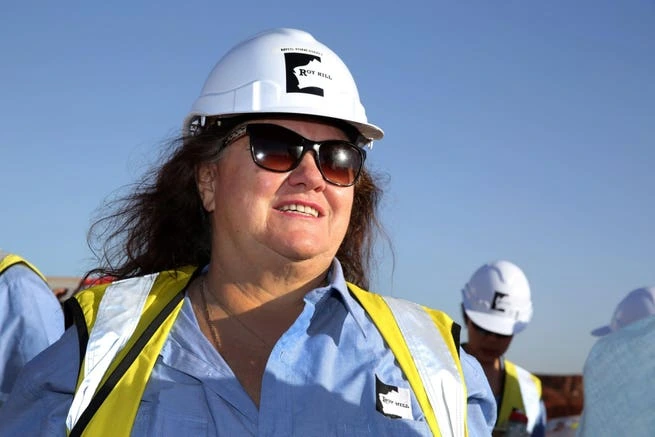
6 billion using its billionaire wealth-ranking framework Australia's 50 Richest 2026 list, where she holds the number one spot overall. The Australian Financial Review's 2025 Rich List put her figure even higher, at AU$38.
11 billion. The gap between those two numbers tells you something important about how net-worth estimates work, and why the same person can appear with wildly different figures depending on who is doing the counting.
Who is the richest woman in Australia right now

Gina Rinehart, executive chairman of Hancock Prospecting, has held the top position on Australian wealth lists for years. Her wealth is rooted in iron ore mining and pastoral assets her father Lang Hancock built, which she then expanded aggressively into one of the most valuable private mining empires on earth. Forbes noted that her net worth actually fell 15% in its 2026 ranking compared to the prior year, yet she still came in at US$24.
6 billion and retained the top spot. Forbes’ Australia’s 50 Richest 2026 version says Gina Rinehart [held the number one spot with a net worth of US$24. 6 billion](https://www. forbes.
com/sites/anuraghunathan/2026/02/09/australias-50-richest-2026-stronger-australian-dollar-powers-tycoons-wealth-to-254-billion-amid-global-headwinds/). That context matters: a 15% drop represents billions of dollars evaporating on paper, largely tied to shifting iron ore prices and valuation movements in her privately held company.
No other woman in Australia comes close in the current rankings. Rinehart is not just the wealthiest woman, she is the wealthiest person in the country across all genders, which puts her in a different category from many profiles you might read about the richest female celebrities globally.
Net worth explained: what these numbers actually mean
When Forbes or the AFR publishes a net worth figure, they are giving you an estimate of total assets minus total liabilities at a specific point in time. For someone like Rinehart, whose wealth is almost entirely locked up in a private company, that number is really an educated valuation, not a bank balance anyone can verify directly. Hancock Prospecting is not publicly traded, so there is no share price to check. For context on why these valuations matter, see richest female celebrities net worth for examples of how entertainment-industry fortunes get estimated. Analysts and researchers have to work backward from iron ore prices, production volumes, royalty streams, and comparable public company valuations to arrive at a number.
This is very different from, say, a billionaire whose fortune is in publicly listed shares, where you could multiply shares held by today's stock price and get a real-time figure. Private wealth is always a range, not a precise number. The figure you see in a headline is the midpoint of a set of assumptions, not a fact pulled from a balance sheet.
Why estimates differ so much between sources

The Forbes figure of US$24.6 billion and the AFR figure of AU$38.11 billion look very different, but several technical factors explain the gap without either source being wrong.
- Currency conversion: Forbes reports in US dollars, the AFR in Australian dollars. With the Australian dollar typically trading below the US dollar, a figure in AUD will look larger than the same wealth expressed in USD.
- Snapshot timing: Forbes and AFR conduct their research at different points in the year. Iron ore prices and royalty valuations can shift significantly over even a few months.
- Methodology differences: Some lists apply a private company discount of 20 to 30 percent to account for the difficulty of selling an illiquid stake. Others use full asset valuation without a liquidity haircut.
- Asset scope: One list may include pastoral land, fine art, and offshore assets while another focuses on core business equity only.
- Debt treatment: If Hancock Prospecting carries any debt, different researchers may net it out differently or exclude it entirely.
- Royalty streams: Rinehart's royalty income from mining tenements adds a recurring cash component that some models capitalize into a lump-sum wealth figure and others treat separately.
The practical takeaway is that neither number is definitively correct. They are both reasonable estimates produced through different but defensible methods. If you want to compare Rinehart's wealth across time, use the same source consistently rather than switching between Forbes and the AFR year over year.
How to verify and check the latest figures yourself
You can track Rinehart's wealth in near-real time using a handful of reliable sources, and it takes about five minutes once you know where to look.
- Go directly to the Forbes billionaires profile for Gina Rinehart. Forbes updates this page throughout the year and notes the methodology behind each estimate. The Australia's 50 Richest list is refreshed annually, usually mid-year.
- Check the Australian Financial Review Rich List, published each May or June. The AFR uses Australian dollars and tends to apply different asset-inclusion rules than Forbes, so note the currency and year when you read a figure.
- Monitor iron ore spot prices on trading data platforms like Investing.com or the London Metal Exchange. Because Hancock Prospecting's value is deeply tied to iron ore, a sustained price move of 10 to 15 percent will typically show up in revised wealth estimates within weeks.
- Look for Hancock Prospecting's annual financial filings lodged with ASIC (the Australian Securities and Investments Commission). Private companies in Australia above a certain revenue threshold must file financials, which gives you a rare direct look at revenue and profit, even if the full valuation remains an estimate.
- Cross-reference with Bloomberg Billionaires Index if you want a third data point. Bloomberg uses a real-time model and will often diverge from both Forbes and AFR, giving you a useful range.
When reading any estimate, always check: what year is the data from, what currency is being used, and whether the source states its methodology. If none of those three things are clear, treat the number with extra skepticism.
Gina Rinehart's wealth: how it was built and where it comes from
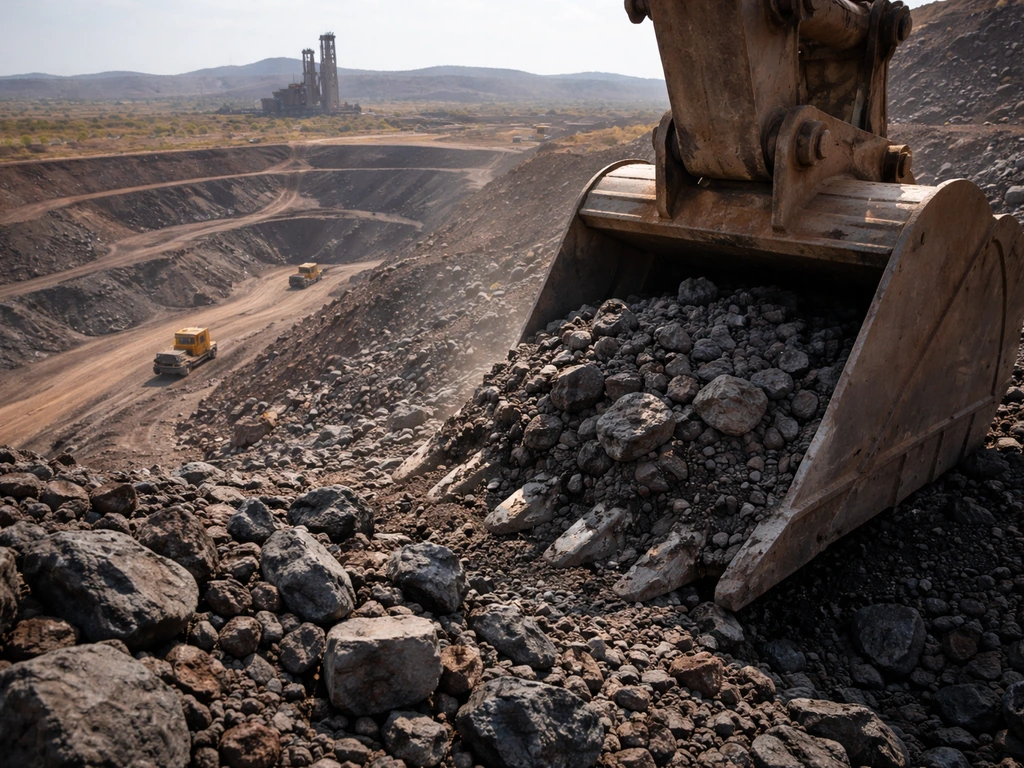
Rinehart inherited the foundation of her wealth from her father Lang Hancock, who discovered some of the world's richest iron ore deposits in Western Australia's Pilbara region in the 1950s and 1960s. But inheriting a mining lease and turning it into a US$24 billion fortune are two very different things. Rinehart spent decades fighting legal disputes over the estate, managing royalty arrangements, and making a critical strategic bet: she moved Hancock Prospecting from a royalties-only business into an active mining operator. That shift is what ultimately created most of the wealth she controls today.
The Roy Hill project
The single biggest wealth driver in Rinehart's portfolio is the Roy Hill iron ore mine, a project she developed through a complex partnership structure with Japanese, Korean, and Taiwanese investors. Roy Hill reached full production of 60 million tonnes per year and is now one of Australia's largest single iron ore operations. When iron ore prices are high, as they were during the commodity boom driven by Chinese infrastructure demand, the project generates enormous cash flow. When prices fall, as they did heading into 2026, the paper value of the asset compresses and her estimated net worth drops with it. That is exactly what the Forbes 15% decline reflects.
Royalties and pastoral assets
Beyond Roy Hill, Rinehart's wealth includes royalty streams on iron ore mined by Rio Tinto and other operators across tenements that Lang Hancock originally pegged. These royalties flow regardless of whether Hancock Prospecting operates a mine directly, providing a more stable income floor. She also holds substantial pastoral assets across Western Australia through Hope Downs and other stations, though the value of these is typically dwarfed by the mining portfolio in most wealth estimates.
Agricultural diversification
In recent years Rinehart has invested in Australian agricultural assets, including cattle stations and a stake in Australian beef production. This is partly a hedge against the cyclicality of iron ore and partly a strategic bet on global food demand. These assets contribute to her total net worth but are a smaller component compared to the mining side of the ledger.
Other top contenders: who else appears near the top
Rinehart's lead over other wealthy Australian women is very wide, but several names appear consistently in the upper tiers of Australian wealth rankings. It is worth knowing who they are and why their wealth sources differ from Rinehart's, because the mechanics of how each fortune was built tells you a lot about why the gaps persist.
| Name | Primary wealth source | Approximate ranking tier | Key characteristic |
|---|---|---|---|
| Gina Rinehart | Iron ore mining, royalties, agriculture | No. 1 in Australia overall | Private company; highly sensitive to commodity prices |
| Angela Bennett | Iron ore royalties (Wright family legacy) | Top 20 on AFR Rich List | Royalty-based income, more passive structure than Rinehart |
| Bianca Rinehart | Hancock Prospecting stake | Upper tier via family trust | Wealth contingent on same assets as Gina Rinehart |
| Ginia Rinehart | Hancock Prospecting stake | Upper tier via family trust | Same underlying assets; separate legal interest |
Angela Bennett is the most frequently cited second-ranked wealthy woman in Australia. Her wealth traces to iron ore royalties from the Pilbara, through the Wright family legacy, but she operates through a structure that is more passive than Rinehart's direct operational control. Two of Rinehart's own daughters, Bianca and Ginia, appear in their own right on some lists due to their stakes in family trust arrangements tied to Hancock Prospecting, though their individual figures are contested and less reliably reported than Rinehart's own consolidated position.
If you are interested in how Australian wealth compares globally, it is useful to note that Rinehart's US$24. Her net worth is estimated at around US$24. 6 billion, though different sources can publish very different figures for the same person Rinehart's US$24. .
6 billion would place her comfortably among the richest women in the world, and well above the wealthiest woman in Africa by most current estimates. Her overall position can shift year to year as new estimates of the richest woman in Africa net worth are published the wealthiest woman in Africa.
Her profile is also very different from the wealthy women who appear on lists focused on entertainment and media, where fortunes are built through brand equity, music catalogs, and endorsements rather than resource extraction.
How to read net worth figures confidently going forward
Net worth figures for people like Rinehart are best treated as indicators of scale rather than precise accounting facts. Here is a practical framework for interpreting any figure you come across.
- Identify the source and its methodology: Forbes, AFR, and Bloomberg each use different approaches. None is definitively correct, but each is internally consistent if you use the same source across time.
- Note the currency and convert consistently: AU$38 billion and US$24.6 billion can describe the same person's wealth in the same year. Always check which currency you are reading.
- Look at the direction of change, not just the number: A 15% drop still leaves someone at the top of every list in Australia. Trend direction often matters more than the absolute figure.
- Check when the estimate was produced: Commodity-linked wealth can shift 10 to 20 percent in a matter of months. An estimate from eight months ago may already be materially outdated.
- Treat private company valuations with wider error bars: Publicly traded wealth can be verified to within a few percent. Private company wealth is inherently a range of perhaps 20 to 40 percent around the stated figure.
- Do not compare figures across different lists without adjusting for methodology: Mixing a Forbes USD figure with an AFR AUD figure to calculate a change will produce a meaningless result.
The most important habit is to pick one source for tracking a specific person over time and stick with it. That way you are comparing apples to apples. If you see a headline claiming someone's net worth doubled or collapsed overnight, the most likely explanation is a source switch or a currency shift, not an actual change in their underlying assets. Keeping that in mind will save you from misreading a lot of financial headlines. If you are looking for the highest net worth gymnast, start by comparing multiple reputable wealth trackers the same way this article compares estimates for Rinehart.
FAQ
Is Gina Rinehart’s net worth the amount of cash she has access to?
No. These figures represent estimated total assets minus liabilities. Because most wealth is tied up in private holdings like Hancock Prospecting and operational projects, it is not money she can withdraw on demand, and banks, taxes, and reinvestment needs would also affect what is realistically liquid.
Why do Forbes and the AFR show such different numbers for the richest woman in Australia net worth?
The estimates use different assumptions, especially for valuing private company interests. Differences can come from the valuation method (for example, comparable public multiples), the timing of inputs like iron ore prices, and whether they apply discounts for illiquidity and control in private structures.
If her net worth dropped 15% in a year, did she lose that much money?
Usually it is a paper change. With wealth concentrated in an iron ore business, valuations move when commodity prices and production forecasts change. A percentage decline can reflect lower estimated future cash flows rather than a direct reduction in assets she sells or spends.
How can I compare Gina Rinehart’s net worth across years without getting misled?
Pick a single tracker or a single methodology, then compare like-for-like. Also confirm the currency and reporting date, since switching between US-dollar and Australian-dollar figures can create apparent swings even when underlying value is stable.
What does “net worth” mean in these lists for someone whose assets are mostly private?
For private wealth, net worth is an estimated equity value based on financial modeling. The inputs typically include commodity pricing, expected production volumes, royalty terms, and comparable valuations, so the output is best treated as a range, not an exact accounting number.
Where do her royalties and mining assets show up in the valuation?
Royalties and indirect interests usually get valued as projected future cash flows, then discounted back to a present value. If royalty rates, contract terms, or partner operating assumptions change, the modeled value can shift even if mining output remains steady.
Does iron ore price movement fully explain changes in Rinehart’s net worth?
It explains a large share, but not all of it. Production ramp changes, costs, foreign exchange effects (especially for internationally financed projects), and any updated assumptions about reserves and long-term demand can also move the estimate.
Why are some of her daughters or other relatives listed with uncertain figures?
Family trust and holding structures can make individual ownership percentages and control difficult to verify. Many lists either omit those figures or provide ranges based on reported stakes, so coverage can be less consistent than the consolidated position attributed to Rinehart.
How should I interpret the claim that she is the richest woman in Australia versus the richest person overall?
Those statements depend on whether the list is ranking all genders together and on the specific estimate used. If a person’s wealth is close to others at the top, small valuation-method differences can change who takes the number one spot.
Can I use net worth rankings to predict future wealth in a reliable way?
They are better for assessing scale and direction, not forecasting. For private, commodity-linked wealth, the most practical indicators are iron ore price trends, operational updates from key mines, and changes in forecast cash flows, but you should expect the modeled estimates to lag or revise.
What quick checks should I do before trusting a “richest woman in Australia net worth” headline?
Verify the year, currency, and whether the source explains its valuation approach for private companies. Also check whether the article changed methodology compared with prior editions, because a method shift can look like a sudden wealth jump.
Next Article
World's Smallest Woman Net Worth: Evidence-Based Estimate
Disambiguates the person and estimates the world’s smallest woman net worth with transparent, evidence-based method and