Which 'Lady A' Are We Talking About?
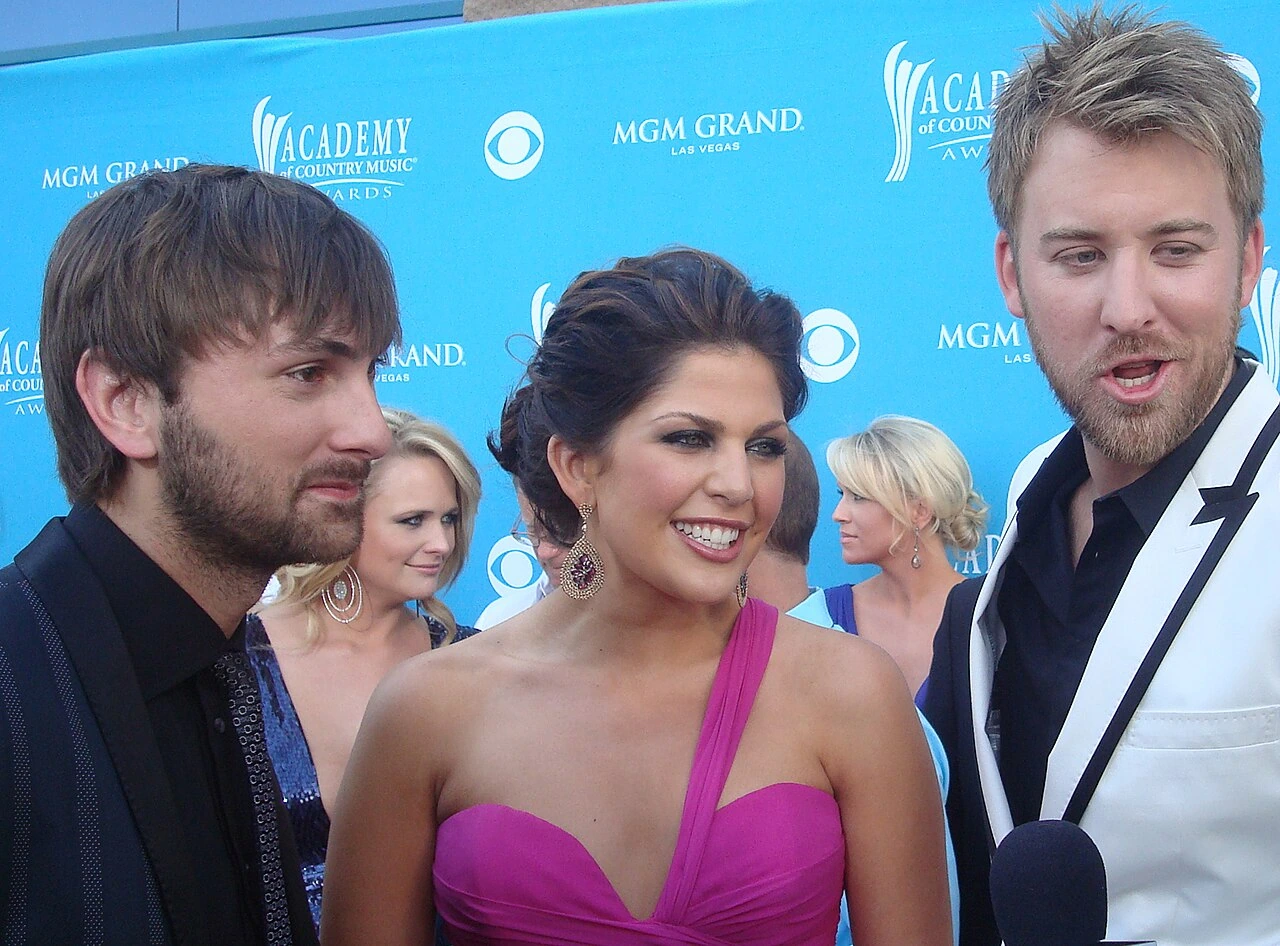
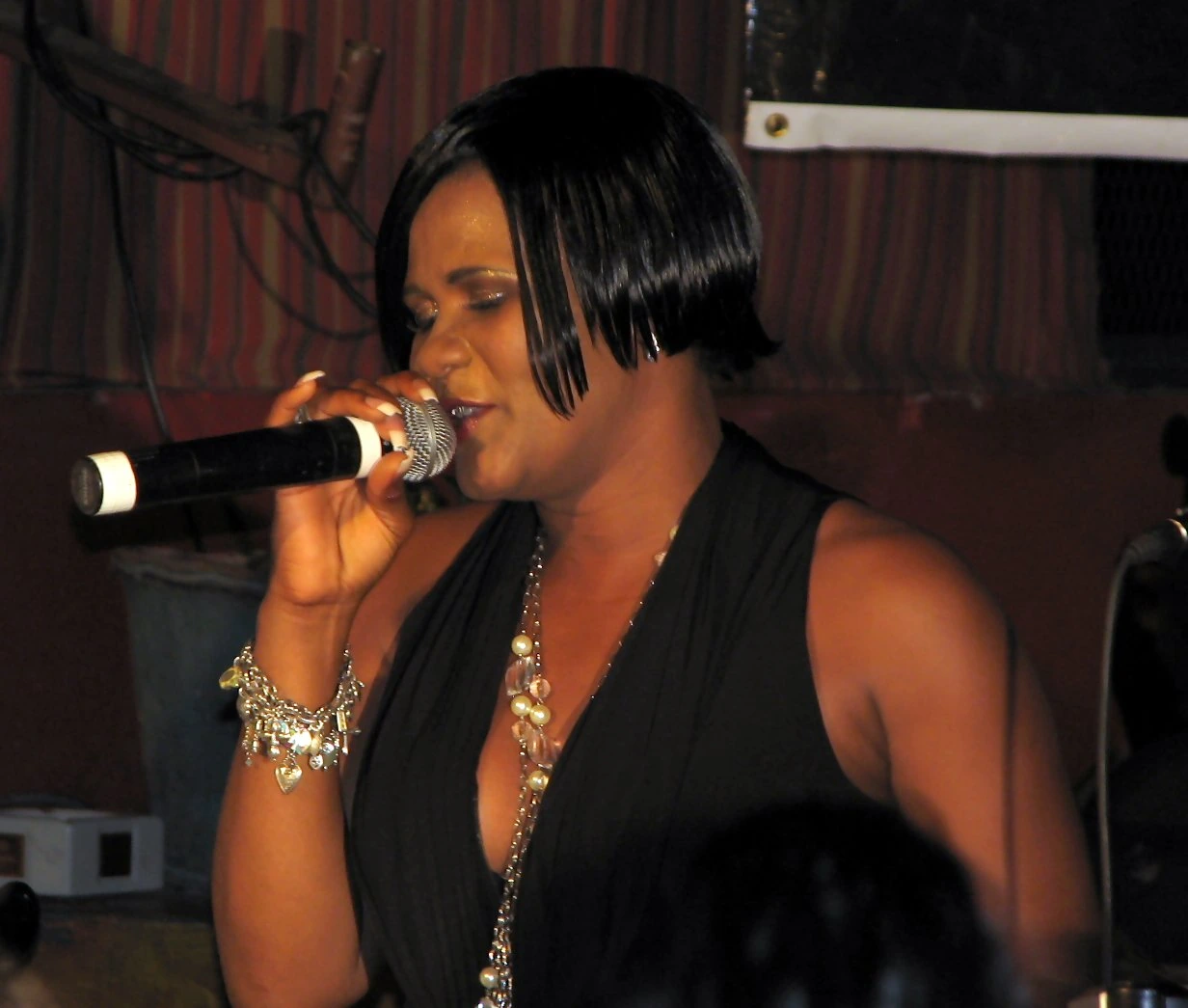
If you searched 'Lady A net worth,' there's a very good chance you mean the American country music trio formerly known as Lady Antebellum. That's the group most people land on, and it's the one this article focuses on. But it's worth knowing upfront that there are at least two notable performers who go by 'Lady A,' and the naming situation got genuinely complicated around 2020. The country trio (Hillary Scott, Charles Kelley, and Dave Haywood) formed in Nashville in 2006 and used the informal nickname 'Lady A' for years before officially shortening their name after the racial reckoning following George Floyd's murder, wanting to drop the 'Antebellum' reference. The problem: a blues and soul singer named Anita White had been performing professionally as 'Lady A' for decades, well before the country group adopted the name publicly. When the trio filed a trademark claim, Anita White countersued, arguing the name was hers first in professional use. CBS News reported that Anita White filed a countersuit, alleging common-law rights in the “LADY A” mark based on her use of the name since at least the early 1990s, in the context of the country group’s 2020 name change and trademark dispute. The legal dispute drew wide media coverage and left a lot of readers confused about which 'Lady A' they were reading about.
For context on other artists who perform under 'Lady' monikers, this site also covers figures like Lady Sovereign's net worth, the British rapper who had her own complicated relationship with fame and finances. But for this article, the focus is squarely on the country trio Lady A and their accumulated wealth as of 2026, with a note on Anita White's situation where relevant.
The Most Credible Net Worth Estimate for Lady A

The country trio Lady A has a combined estimated net worth in the range of $30 million to $40 million, with some sources pushing individual member estimates (particularly Charles Kelley and Hillary Scott) into the $10 million to $15 million range each. These figures are not officially disclosed, because net worth for private individuals and private musical acts is never publicly filed. What we're working with are informed estimates based on documented income streams, career trajectory, and industry benchmarks. The $30 to $40 million range for the group as a whole is the most consistently cited figure across credible entertainment finance sources, and it holds up when you work through their career math. Dave Haywood's individual estimate tends to be somewhat lower in public reporting, though the gap is likely an artifact of how much each member's individual business activity (outside the group) has been separately documented.
Anita White, the blues singer known as Lady A, has a much smaller estimated net worth, likely in the low six figures range, consistent with a working independent musician with a regional following rather than a major-label act with multi-platinum records. The naming dispute did bring her significant media attention, but there's no credible reporting suggesting that translated into a material wealth event for her.
How Net Worth Is Actually Calculated
Net worth is simple in theory: total assets minus total liabilities. In practice, applying that to a celebrity is messy because most of the relevant numbers are private. What researchers and entertainment finance analysts do instead is build an estimate from the outside in, using whatever public or reported data is available and filling gaps with industry benchmarks. For a group like Lady A, that means looking at album sales (certified units, streaming equivalents), touring revenue (ticket sales from documented tours, venue sizes, reported grosses), publishing and royalty income, label deal structures (advances, royalty rates), and any separately documented business ventures or endorsements.
On the liabilities side, analysts account for management fees (typically 15 to 20 percent of gross earnings), agent commissions, touring production costs, legal fees (the naming dispute alone generated significant legal costs for the trio), taxes, and personal debt. The difference between a star's gross career earnings and their actual net worth can be dramatic, which is why you should be skeptical of any source that just totals up reported earnings without deducting expenses. Timing also matters enormously. A net worth estimate from 2015 looks very different from one in 2026, because the mix of active income, passive royalty income, and asset accumulation shifts throughout a career.
What Data to Trust and What to Skip

The frustrating truth about celebrity net worth data is that most of the numbers floating around the internet come from a small number of original estimates that get copy-pasted across aggregator sites. If you see the same figure on twenty different sites, that's not twenty pieces of evidence. It's one estimate repeated. The sources worth taking seriously are outlets that show their methodology, use reported earnings data (Billboard Boxscore for touring, RIAA certifications for album sales, documented streaming performance), and update figures when new information becomes available. Celebrity financial publications and entertainment trade reporting (Billboard, Forbes, Variety) are more reliable than general net worth aggregators because they tend to cite actual data points.
What to ignore: any site listing an oddly precise figure like '$22.7 million' with no sourcing, or any estimate that hasn't been updated in five or more years for an actively working artist. Also be cautious about sources conflating the group's combined net worth with individual member figures, or mixing up Lady A (the trio) with Anita White (the blues singer). That confusion is common enough online that you can easily end up reading about the wrong person's finances entirely. If you enjoy following artists whose careers blur genre and business lines, you'll recognize similar research challenges when looking into someone like Lady Saw's net worth, the Jamaican dancehall icon whose documented income streams are equally spread across recording, touring, and licensing.
Breaking Down Where Lady A's Wealth Comes From
Music Sales and Streaming
Lady Antebellum (now Lady A) released six studio albums under that name and have been one of the best-selling country acts of the 2010s. Their debut single 'Love Story' (actually 'I Run to You') and especially 'Need You Now' drove enormous commercial success: 'Need You Now' became one of the best-selling singles in country music history, earning multiple Grammy Awards and RIAA certifications. Album sales alone at peak would have generated substantial advances and royalty income. In the streaming era, a catalog that includes multi-platinum albums continues generating passive income, though streaming royalty rates per stream are a fraction of what physical or digital download sales once provided per unit.
Touring Revenue

Touring is typically where major country acts make their real money, and Lady A has headlined multiple large-scale tours. A successful arena or amphitheater tour can gross tens of millions of dollars. The members don't keep all of that, production costs, venue splits, crew, and management take substantial portions, but net touring income for a top-tier country act over a decade-plus career accumulates significantly. Their 'What If I Never Get Over You' era and subsequent tours continued drawing strong attendance through the early 2020s, even as the naming controversy generated some negative press.
Songwriting and Publishing
All three members of Lady A have songwriting credits on most of their catalog. Songwriting royalties are paid every time a song is streamed, broadcast on radio, or performed live by other artists. Publishing ownership (whether they own their publishing rights outright or share them with a publisher) is a key wealth multiplier for any songwriter. For Hillary Scott and Charles Kelley especially, songwriting credits on hits with the performance history of 'Need You Now' represent an ongoing income stream that doesn't require active touring or recording. This is the kind of passive income that separates comfortable artists from genuinely wealthy ones over the long term.
Brand Partnerships and Other Ventures
Lady A has done brand partnerships and endorsement work, though they're not as publicly associated with a single major brand deal the way some solo artists are. Hillary Scott has separately documented her faith-based music project (her album 'Love Remains' with her family) and Charles Kelley has occasionally worked on solo material. Neither represents a major separate wealth driver compared to the core group income, but they add to individual financial pictures. The naming dispute also had a legal cost dimension: extended litigation is expensive, and that's a real liability against any gross income figures from this period.
| Wealth Driver | Estimated Contribution | Notes |
|---|
| Album sales and streaming royalties | High (legacy catalog) | Multi-platinum catalog; streaming income is ongoing but lower per stream than historical sales |
| Touring and live performance | Very High (career total) | Arena/amphitheater touring across multiple headlining cycles |
| Songwriting and publishing | High (passive income) | Credits on catalog hits generate ongoing royalty income |
| Brand partnerships and endorsements | Moderate | Present but not the group's primary public income association |
| Solo/side projects | Low to Moderate | Individual members have separate projects with limited documented earnings |
| Legal costs (naming dispute) | Negative impact | Extended litigation with Anita White represented real expense against gross income |
What's Changed Recently
As of April 2026, Lady A continues to record and tour under the shortened name. Their activity post-naming dispute has been steady but not at the commercial peak they hit in the early 2010s. New album releases and touring cycles do incrementally affect wealth estimates, particularly because successful tours add to net worth in real time while streaming income from the catalog ticks along in the background. If the group has released new music or announced major touring in the past 12 months, those would be the most relevant inputs to updating any wealth estimate. Check Billboard's Boxscore data for touring grosses and RIAA's certification database for any new certifications on recent releases. Those are the two most practical tools for an outsider doing their own research.
Brand partnerships are another area to watch. As artists move further from their commercial peak, licensing their music for advertising, film, and television becomes an increasingly important revenue layer. Any reported sync licensing deals (music used in commercials or TV) would be worth factoring in. Similarly, if any member has launched a separate business venture (outside music) that's received documented reporting, that becomes part of the individual wealth picture. For a comparison with how other artists at the intersection of fame and business navigate wealth building, it's instructive to look at how Lady Bunny has built her net worth across performance, drag culture, and media appearances over a very different but comparably long career.
Common Questions and How to Estimate It Yourself
The most common question is: why do different sites give different numbers? The short answer is that none of them have access to actual financial records. Every published figure is an estimate built from public data and industry benchmarks. When one credible source publishes a figure, others often repeat it, sometimes rounded differently or updated inconsistently. The range you'll see for Lady A as a group ($25 million to $40 million depending on the source and year) reflects genuine uncertainty rather than bad research.
If you want to build your own rough estimate, here's a practical approach. Start with RIAA certifications to understand the commercial scale of their catalog. Use Billboard Boxscore archives (publicly available for recent tours) to find documented gross touring income. Apply a rough 30 to 40 percent net margin to touring gross after expenses to get a ballpark net touring income figure. Add a conservative estimate for publishing royalties on a hit catalog (a multi-platinum country hit with heavy radio history generates meaningful annual publishing income, often estimated in the hundreds of thousands per year for a top-tier song). Then subtract an estimate for management, legal, and production costs. You won't get a precise number, but you'll get a grounded range that you can defend, which is more than most net worth aggregators offer.
Another question readers often ask is whether the naming dispute affected the group's wealth. The honest answer is: probably yes, in terms of legal costs and reputational friction, but not catastrophically. The dispute generated negative press and some radio and industry hesitation, but the group retained their existing catalog, fan base, and touring capacity. Anita White's financial situation is harder to assess; the dispute gave her public visibility but not documented income. For a sense of how independent artists with cult followings (rather than major-label backing) build and document their wealth, the career arc of the Lady in the Bathroom and her net worth story offers a different but instructive perspective on underground music economies.
How to Keep the Estimate Current
Net worth for working artists is not a static number. It changes with every tour cycle, new release, licensing deal, or business venture. The most practical way to stay current is to bookmark a few credible primary sources: Billboard for music business data, the RIAA's certification search for catalog performance, and reputable entertainment trade outlets for reported earnings and deal announcements. When you see a new net worth figure cited anywhere, ask whether it links to any of those sources. If it doesn't, treat it as a placeholder rather than a data point. The $30 to $40 million range for Lady A as a group is a reasonable working estimate for 2026, grounded in a documented career of top-tier touring and multi-platinum recordings, and it will shift upward or downward as new reporting emerges about their ongoing activity.