
When you search "Lady Saw net worth," the first thing to sort out is which "Lady" you actually mean. Lady Saw is a specific person: the Jamaican dancehall artist born Marion Hall, widely regarded as one of the most influential female voices in dancehall history. She later retired from secular music and re-emerged as a gospel artist under her real name. That context matters because her wealth story, her income streams, and where to find reliable numbers are completely different from what you'd find for, say, Lady A's net worth or any other "Lady" stage name in music. Getting the right person first is non-negotiable before you start trusting any figure you read.
Lady Saw Net Worth: How to Identify Her and Verify It

Jordan Hartwell
9 Apr 2026
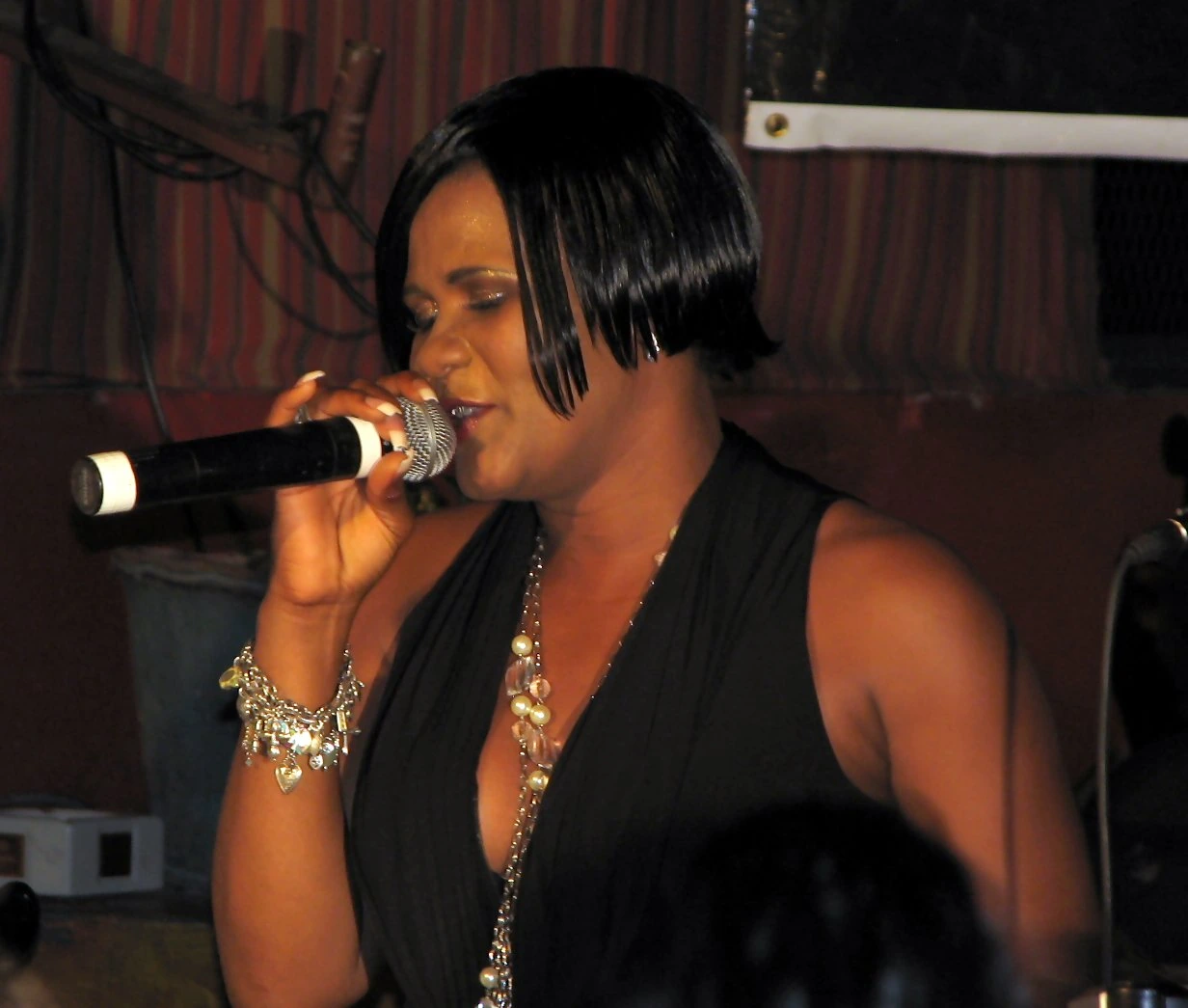
Who exactly is Lady Saw (and why the name can confuse)

Lady Saw's full identity: born Marion Hall in Jamaica in 1972, she built a decades-long career as a dancehall deejay and recording artist, earning the nickname "Queen of Dancehall." She signed with VP Records, released multiple studio albums throughout the 1990s and 2000s, and collaborated with artists across reggae, hip-hop, and R&B. Wikipedia’s Lady Saw discography lists studio albums such as Lover Girl (1994), Give Me The Reason (1996), Passion (1997), 99 Ways (1998), Strip Tease (2004), Walk Out (2007), My Way (2010), and Alter Ego (2012) released multiple studio albums throughout the 1990s and 2000s. In 2016 she publicly converted to Christianity, retired the Lady Saw persona, and began releasing gospel music as Marion Hall. That career split is important for wealth estimation because her income streams shifted dramatically mid-career.
The confusion around the keyword comes from how common the word "Lady" is as a stage-name prefix. A search might surface Lady Bunny (American drag queen and entertainer, born Jon Ingle), Lady Sovereign's net worth profile (British rapper Louise Amanda Harman), or even Lady in the Bathroom, a viral TikTok creator who gained a large following in the early 2020s. None of those are Lady Saw. Before you attach any number to a name, confirm you have the right birth name, nationality, genre, and career timeline. For Lady Saw specifically: Jamaican, dancehall, VP Records, gospel transition in 2016.
How net worth is actually estimated for women in entertainment
Net worth, by definition, is total assets minus total liabilities. That sounds simple, but in practice it requires mapping every major revenue stream and asset class, then subtracting debt. For a musician like Lady Saw, who operated primarily in dancehall (a genre with strong touring and licensing economics but less mainstream pop infrastructure), the key inputs look different than they would for a pop superstar with major-label advances and stadium tours.
Credible wealth profiling for women in entertainment typically covers several categories. Recording income includes album sales, streaming royalties, and sync licensing. Live performance income covers concert fees, festival appearances, and regional touring. Endorsements and brand deals add on top of that, especially for artists with strong cultural cachet in specific markets. Then there are assets: real estate holdings, investment accounts, and any business equity. On the liability side, you'd factor in mortgages, outstanding debts, and any legal settlements. What you're left with is the number. The problem is that most of these inputs for independent or mid-tier artists are not publicly disclosed, which is why estimates vary.
What makes dancehall artists harder to profile

Lady Saw built her career largely outside the major-label system that generates SEC filings, public earnings reports, and the kind of paper trail Forbes relies on when profiling billionaires. VP Records, her primary label home, is a private company. Jamaica Observer reported on November 19, 2014 that Alter Ego was released through Lady Saw’s Hall’s Productions with a distribution deal involving VPAL Music. Regional touring income in the Caribbean diaspora circuit is rarely documented in press releases. That means estimators, including credible ones, are working from fewer anchors and using more inference. This doesn't make estimates worthless, but it does mean the uncertainty band is wider than it would be for, say, a publicly traded company executive.
Net worth vs. salary vs. earnings: they are not the same thing
This distinction trips people up constantly. Net worth is a snapshot of accumulated wealth at a specific point in time. It is what you'd have left if you liquidated everything and paid off every debt. Annual earnings (or income) is how much money comes in during a given year from all sources. Salary is just one component of earnings, usually a fixed payment from an employer or label deal. These three numbers can look wildly different for the same person.
A useful way to think about it: Lady Saw could have earned significant annual income during her peak touring years in the late 1990s and 2000s while her net worth stayed relatively modest if expenses, taxes, and lifestyle costs consumed most of that income. Conversely, a catalog acquisition or real estate investment made at the right time could boost net worth well above what annual income figures would suggest. When you see a headline like "Lady Saw net worth: $X million," that number is supposed to reflect the cumulative picture, not a single year's paycheck.
| Term | What it means | How it applies to Lady Saw |
|---|---|---|
| Net worth | Total assets minus total liabilities at a point in time | Accumulated value from music, real estate, savings, and business interests |
| Annual earnings | Total income across all sources in a given year | Tour fees, royalties, licensing, and gospel-era speaking or recording income |
| Salary | Fixed periodic payment from a single source (e.g., label deal) | Less relevant for independent artists; more relevant if she had a label advance structure |
| Reported earnings | A figure cited in press without always disclosing its source or timeframe | Often the least reliable; treat as a starting point, not a conclusion |
The building blocks of an artist's wealth

For any female entertainer, especially one with Lady Saw's career arc, wealth comes from several directions at once. Understanding which streams are active, which have wound down, and which might have grown quietly in the background is the real work of net worth research.
- Recording royalties: ongoing payments from album sales, streaming, and sync licenses (TV, film, ads). Catalog value grows when older music gets licensed repeatedly.
- Live performance income: concert fees, festival bookings, and diaspora event appearances. For dancehall artists, the Caribbean and UK markets are historically strong.
- Brand endorsements and sponsorships: paid partnerships with products or companies, which became increasingly common for reggae/dancehall artists during the 2010s.
- Music publishing and songwriting royalties: if Lady Saw co-wrote her material, she holds performance rights that generate ongoing income independent of label deals.
- Real estate: property in Jamaica or abroad. Property ownership is a significant wealth-building tool for Caribbean artists who invest back in the region.
- Gospel-era income: after 2016, income from gospel recordings, church appearances, and motivational speaking shifted the revenue mix.
- Licensing and catalog deals: documented transactions like catalog acquisitions (a model used by artists across genres) can add a large lump sum to net worth in a single year.
Catalog deals are worth highlighting specifically because they're often underestimated in artist wealth profiles. When a publishing rights company acquires a portion of an artist's catalog, that transaction is sometimes documented in press releases and represents a direct, verifiable addition to net worth. It's the same mechanism used in high-profile deals across the industry, and it's one of the more reliable inputs when it's publicly announced.
Where to find reliable sources and how to check them
Not all net worth sources are equal, and knowing how to tier them saves you from building conclusions on shaky ground. At the top of the credibility stack are primary documents: court filings, probate records, SEC disclosures, and signed deal announcements in official press releases. Forbes, when it publishes wealth profiles, explicitly pores over thousands of SEC documents, court filings, and probate records, and it applies documented valuation methodologies like revenue multiples for private businesses with a liquidity discount. That level of rigor is the standard to hold other sources against.
Below that are reputable business and entertainment publications that cite named sources and documented transactions: Billboard's business coverage, industry trade reports, and verified interview disclosures where an artist or their representative confirms a deal or figure. These aren't audited, but they're traceable. Then there's the tier most people encounter first: aggregator sites like CelebrityNetWorth, which use proprietary algorithms based on publicly available information. These can be useful as starting points, but they provide a single number without primary documents or detailed sourcing, which makes them hard to verify and easy to dispute. Use them to orient yourself, not to conclude.
For an artist like Lady Bunny, whose net worth has been estimated through similar aggregator sources, the same principle applies: the figure circulating online is an approximation built on inference, not an audited balance sheet. Treat any figure without a sourcing methodology the same way.
What to avoid
- Viral posts and listicles that state a net worth figure with no source link or methodology explanation.
- Sites that copy the same number across multiple "net worth" articles with no update timestamps.
- Social media claims, even from accounts that appear official, without third-party corroboration.
- Inflation of income figures by confusing gross revenue with net personal wealth.
- Outdated estimates presented as current without an "as of" date.
Step-by-step: how to research Lady Saw's net worth today

- Confirm the subject. Search "Lady Saw Marion Hall dancehall" to verify you have the right person before engaging with any financial figure. Cross-check birth name, nationality, and career milestones across at least two independent sources (Wikipedia, a music database, a news archive).
- Search for documented income events. Look for VP Records deal announcements, confirmed tour dates with reported fees, and any catalog or publishing deal press releases. These are the most reliable inputs you'll find for an independent artist.
- Check reputable music business publications. Billboard, Rolling Stone's business section, and Jamaica's music press have covered Lady Saw's career. Search those outlets specifically for financial disclosures or contract discussions.
- Consult aggregator estimates with skepticism. Sites like CelebrityNetWorth will give you a number quickly, but note whether they provide a methodology or sourcing. Use the figure as a rough anchor, not a conclusion.
- Look for the most recent data point. Forbes explicitly timestamps its wealth figures (for example, a 2026 list might state values as of March 1, 2026). Apply the same standard to whatever source you use: when was this estimate made, and what has changed since?
- Check for post-2016 gospel-era activity. Lady Saw's career transition changed her income profile significantly. Any pre-2016 estimate may be materially different from a current one that accounts for gospel recordings, ministry work, and reduced dancehall touring.
- Triangulate. If three credible sources give you figures in a similar range using different inputs, you have more confidence. If they diverge wildly, look for the reason: different "as of" dates, different asset inclusions, or one source simply copying another.
Reading ranges, updates, and uncertainty honestly
Net worth estimates for artists outside the Forbes 400 are almost always ranges, not precise figures. When you see "$2 million to $5 million," that spread is not sloppy reporting, it's honest acknowledgment that private financial information is genuinely hard to verify. For dancehall artists operating in markets with less public financial documentation, that range can be wide. Treat the midpoint as a working estimate, not a fact.
Updates matter enormously. A net worth figure from 2015 doesn't account for Lady Saw's 2016 religious conversion, any subsequent gospel career earnings, or changes in her real estate or investment portfolio. Forbes makes a point of stamping its net worth numbers with explicit dates precisely because wealth is not static. When you find a figure for Lady Saw, always ask: when was this calculated, and what major career or financial events have happened since? A catalog sale, a lawsuit, a new business venture, or even a significant touring run can shift the number meaningfully.
Influencer-style creators face a particularly wide uncertainty band. Tools like social analytics platforms estimate earnings from follower counts and engagement rates rather than actual contracts or tax records, producing ranges that can be off by a significant margin. That methodology is more appropriate for someone like a TikTok creator than for a recording artist with documented album sales, but even for musicians, the further you get from primary documents, the wider your uncertainty should be.
The most honest thing you can say after solid research is: "Based on documented career income, estimated royalty streams, and available property records, Lady Saw's net worth is likely in the range of X to Y as of [year], with significant uncertainty because key inputs like real estate and private investments are not publicly disclosed." That framing is more useful than false precision, and it tells the reader exactly how much to trust the number.
FAQ
How can I be sure I am looking up Lady Saw, not another “Lady” with a similar stage name?
Check for a consistent match across multiple identifiers, not just the first result. For Lady Saw, look for Marion Hall, Jamaican nationality, dancehall history, and the 2016 shift to gospel under her real name. If the page discusses SEC filings or a different genre timeline, assume it is not her.
Why do some websites list a single exact number for Lady Saw’s net worth when others show a range?
Exact-looking figures are usually model outputs from partial data, not audited totals. When an estimate is based on undisclosed assets and private royalty streams, the credible way to report it is a range that reflects uncertainty, especially for touring and catalog-related cash flows.
What counts as evidence that increases confidence in a net worth estimate for a musician like Lady Saw?
The strongest clues are documented transactions that can be valued, such as announced catalog or publishing deals, court filings tied to settlements, or probate records. If the source cannot point to any transaction type like that, treat the number as an inference.
How should I distinguish net worth from annual earnings when comparing claims about Lady Saw?
Look for whether the source is describing “snapshot wealth” (net worth) or “money earned in a year” (earnings). Net worth can rise after a one-time sale or investment even if yearly earnings look modest, while heavy spending can keep net worth flat despite high earnings.
Do catalog sales and royalty buyouts really matter for net worth estimates?
Yes, they can be a major swing factor. Catalog transactions can create a direct, one-time infusion of value or change the royalty share you assume. If a source mentions a catalog acquisition but does not describe the deal type or portion sold, confidence should drop.
If Lady Saw retired the Lady Saw persona in 2016, should older net worth numbers be thrown away?
They should be treated as outdated. Retirement and the genre shift can change which income streams are active, along with touring patterns and licensing activity. Also consider normal portfolio effects like property appreciation or debt changes that can move net worth independent of music output.
How do I tell whether an estimate is coming from an aggregator versus a more rigorous research approach?
If the source provides a number with no dates, no methodology, and no named supporting documents, it is likely an aggregator-style estimate. More rigorous profiles typically state a valuation approach, show a time reference, and reference primary documents such as filings or verifiable deal announcements.
What are the most common mistakes people make when they cite Lady Saw net worth?
Using an undated figure as if it were current is the biggest error. The second most common mistake is combining data about different people who share the word “Lady” in the name. The third is treating influencer earnings models as if they reflect contract-level income for a recording artist.
If I only find a net worth range, how should I use it responsibly?
Use the midpoint as a working estimate, but keep the range in your reasoning. Also note the year of the estimate, and adjust expectations if the period includes major events like a catalog deal, litigation, or significant property purchases.
Can taxes and lifestyle spending dramatically change the relationship between Lady Saw’s income and net worth?
Yes. High touring years can still produce limited net worth growth if expenses, taxes, and management costs are high, and if income is irregular. That is why yearly earnings figures and net worth can diverge for the same person over time.
Next Article
QVC Queen Net Worth: Best Estimate and How It’s Calculated
Estimate QVC Queen net worth with methods, sources, income streams, and steps to verify the right profile fast.