
The most credible estimate for Queen Elizabeth II's personal net worth sits around £370 million (roughly $500 million USD), based on the 2022 Sunday Times Rich List and Forbes reporting. But that number tells only part of the story. The reason you'll see wildly different figures across different sources comes down to one key question: [what actually counts as the queen's personal money](/queens-net-worth/what-s-the-queen-s-net-worth) versus what belongs to the Crown, the state, or the nation? Those are very different pots, and most people searching for 'Britain queen net worth' are unknowingly conflating them.
Britain Queen Net Worth Explained: Elizabeth II vs Today

Jordan Hartwell
3 Jun 2026
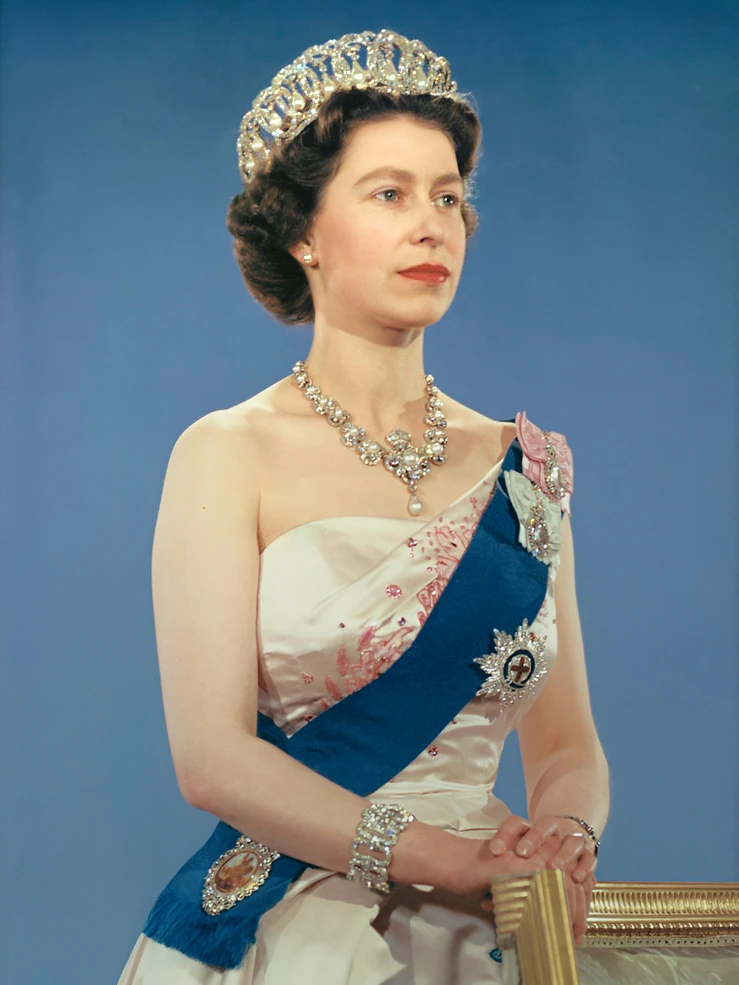
Which queen are we actually talking about?
When most people search for 'Britain queen net worth,' they're almost always thinking of Queen Elizabeth II, who reigned from 1952 until her death in September 2022. She's the most widely searched and most written-about British monarch in the modern era, and most of the wealth estimates floating around online are based on her. As of June 2026, the UK's reigning monarch is King Charles III, and Queen Camilla holds the title of Queen Consort.
Her personal finances are far less documented publicly, and no comparable wealth estimate exists for her individually. So for the purposes of this article, we'll focus primarily on Elizabeth II's finances since that's the figure most readers are looking for, and we'll flag where things stand under Charles's reign where relevant.
It's worth noting that questions about the Queen of England's wealth, Queen Beatrix of the Netherlands, or historical figures like Cleopatra each involve completely different financial structures and historical contexts. Royal wealth is not a monolithic concept, and the UK system is especially layered.
How royal wealth actually works in the UK

The UK royal financial system is genuinely complicated, and it's worth understanding the basic framework before diving into any net worth figure. There are essentially three separate money structures at play: the Crown Estate, the Duchies, and the Sovereign Grant. None of them are the same as the monarch's personal bank account.
The Crown Estate
The Crown Estate is a massive portfolio of land and property across the UK, including much of the seabed around England, Wales, and Northern Ireland, large chunks of central London real estate, and significant rural land. Its assets are described as hereditary possessions of the Sovereign held 'in right of the Crown,' but here's the thing: neither the monarch nor the UK government owns the Crown Estate. It's an independent body, and its profits go to HM Treasury. The monarch doesn't personally collect Crown Estate revenues.
The Sovereign Grant

The Sovereign Grant is how the government funds the official operations of the Royal Household. It was introduced by the Sovereign Grant Act 2011 to replace the old Civil List and various other grants.
The House of Commons Library briefing on the Sovereign Grant Bill notes that it was designed to replace the Civil List and other grants with a new payment based on a percentage of the profits of the Crown Estate introduced by the Sovereign Grant Act 2011 to replace the old Civil List and various other grants. The amount is calculated as a percentage of the Crown Estate's net revenue profits.
[For 2024-25, the total Sovereign Grant is £86. ](https://www. royal. uk/sites/default/files/documents/2025-06/Sovereign%20Grant%20Annual%20Report%202024-25.
pdf)3 million, broken into £51. 8 million for core royal household operations and £34. 5 million specifically for the ongoing Buckingham Palace Reservicing project. Critically, the official government guidance is clear: the Sovereign Grant 'does not provide any member of the Royal Family with an allowance or personal income from the government.
' It pays for staff, travel, and the upkeep of occupied royal palaces. It's an institutional budget, not a personal salary.
The Duchies
The Duchy of Lancaster is a portfolio held in trust for the Sovereign, and its main job is to provide the monarch with an independent income stream for official expenditure that the Sovereign Grant doesn't cover. The Duchy of Cornwall, on the other hand, provides income to the heir apparent (currently Prince William). The capital assets of both Duchies are held in trust, meaning the monarch and Prince of Wales don't have direct access to sell or liquidate them. What they do receive is the annual surplus income these estates generate. HM Treasury oversees the Duchy of Cornwall's financial security through legislative trust provisions.
The occupied royal palaces
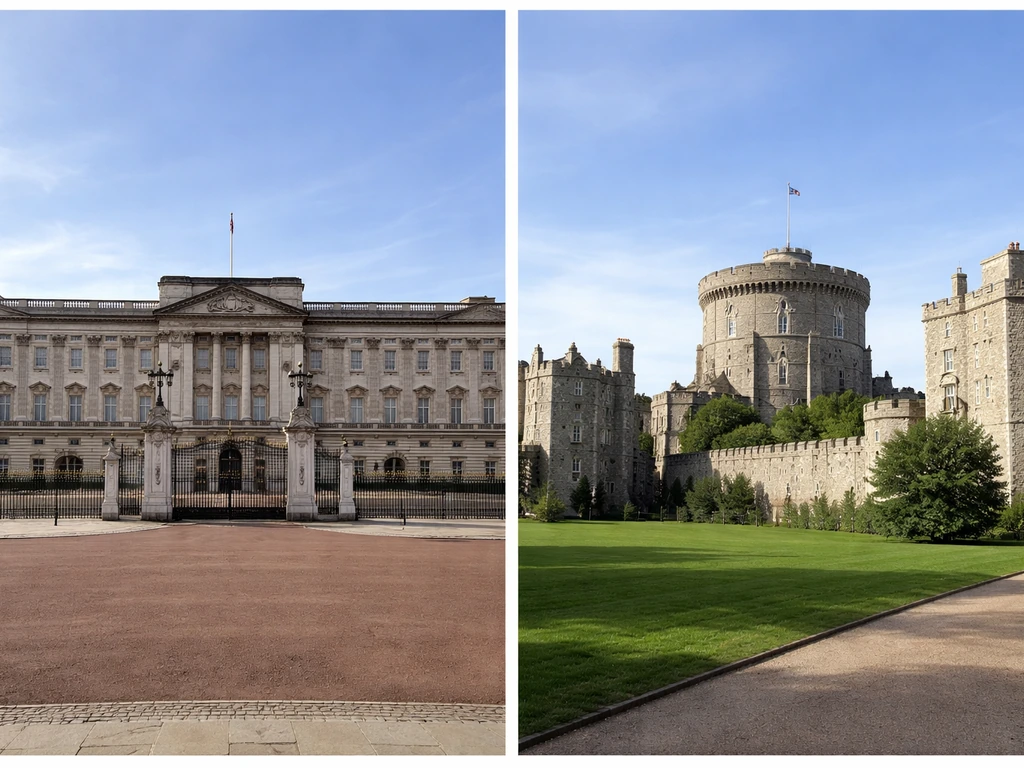
Buckingham Palace, Windsor Castle, St James's Palace, and the other occupied royal residences are held by the monarch 'on trust as monarch for future monarchs.' A Public Accounts Committee document confirms these are held 'in trust for the nation' and used to support official duties. Elizabeth II did not personally own Buckingham Palace. This is one of the most common misconceptions out there, and it makes a huge difference to any net worth calculation.
Personal money vs public money: where the line actually falls
The cleanest way to think about this is: what could the monarch sell or pass on privately? That's what counts as personal net worth. The Crown Estate, the occupied palaces, and the Duchy capital assets all fall outside that category. What does count as personal wealth includes privately owned properties like Balmoral Castle and Sandringham House in Norfolk, both of which Elizabeth II inherited privately and were not state property.
It also includes personal investments, art, jewelry (including the Queen's substantial private jewelry collection), and other private holdings. The National Audit Office explicitly states that private funds are outside its remit; it only reviews the Sovereign Grant and public funding for the Royal Household. That means a significant portion of the monarch's personal finances simply isn't publicly audited or disclosed.
The main income streams, broken down
| Income/Asset Source | What It Is | Personal or Institutional? | Public Info Available? |
|---|---|---|---|
| Sovereign Grant | Annual payment from government, linked to Crown Estate profits; £86.3m in 2024-25 | Institutional (household operations) | Yes, published annually |
| Duchy of Lancaster income | Annual surplus from the Duchy portfolio; covers official spending beyond Sovereign Grant | Hybrid (official income for the Sovereign) | Partially, via royal accounts |
| Balmoral & Sandringham | Privately owned estates inherited through the royal family | Personal | No detailed valuation |
| Private investments | Stocks, savings, and personal financial holdings | Personal | Not publicly disclosed |
| Private jewelry collection | Extensive personal collection, separate from Crown Jewels | Personal | No public valuation |
| Crown Estate | Vast UK property/land portfolio; revenues go to Treasury | State/Crown body, not personal | Yes, Crown Estate publishes accounts |
| Occupied royal palaces | Buckingham Palace, Windsor, etc.; held in trust for the nation | National trust, not personal | Partial, via NAO and Sovereign Grant reports |
Why the wealth estimates vary so much
If you've searched around on this topic, you've probably seen estimates ranging from a few hundred million dollars to several billion. The difference almost entirely comes down to methodology: what the estimator decided to include. Forbes pegged Elizabeth II's net worth at around $500 million in 2019, explicitly noting that it excludes Crown Estate assets she could 'enjoy as Queen' but that weren't her personal property. The Sunday Times Rich List put her personal wealth at £370 million in 2022. Bloomberg has done its own breakdowns, treating personal versus role-linked wealth separately.
The higher figures you'll sometimes see, ranging into the billions, usually come from sources that have included the value of Buckingham Palace, the Crown Estate, or other state-held assets. That's a methodological choice, and most serious financial analysts don't use it, because she couldn't actually have liquidated those assets. There are also currency conversion timing issues (the dollar-to-pound rate shifts constantly), inflation adjustments depending on when the estimate was made, and the basic problem that large portions of her private holdings were never publicly disclosed. Her private jewelry collection alone is estimated to be worth hundreds of millions, but no authoritative appraisal exists publicly.
A timeline of key financial changes during Elizabeth II's reign
Understanding how the financial structure evolved helps explain why estimates from different periods look so different.
- 1952 onward: Elizabeth II accedes to the throne. The Civil List, a fixed annual payment from the government, funds the Royal Household. She also inherits Balmoral and Sandringham privately from George VI.
- 1971: A parliamentary review leads to an increase in the Civil List payment as inflation erodes its real value. This sets a pattern of periodic reviews.
- 1993: Elizabeth II voluntarily begins paying income tax and capital gains tax on her personal income, a significant shift from historical exemption. She also starts contributing to the costs of some other working royals.
- 2001: The Civil List is fixed at £7.9 million per year through to 2010, with reserves built up to handle future costs.
- 2012: The Sovereign Grant Act 2011 takes effect, replacing the Civil List with the new Sovereign Grant mechanism. The initial rate is set at 15% of the Crown Estate's net revenue profits, giving a starting grant of around £31 million for 2012-13.
- 2017: Following a Royal Trustees review, the Sovereign Grant rate is increased to 25% of Crown Estate profits specifically to fund the Buckingham Palace Reservicing project, driving grant levels significantly higher.
- 2022: Elizabeth II passes away in September. Her personal estate passes privately, with inheritance tax arrangements between the monarch and the Treasury operating under a longstanding memorandum of understanding. Balmoral and Sandringham pass to Charles III as private properties.
- 2024-25: Under Charles III, the Sovereign Grant remains at £86.3 million, split between core operations and Buckingham Palace works.
The shift from the Civil List to the Sovereign Grant in 2012 is the single biggest structural change in royal finances in decades. It tied the household's income directly to the performance of the Crown Estate, which has grown significantly in value partly through offshore wind leases. That growth doesn't flow to the monarch personally, but it does expand the institutional budget available to the household.
Sorting out the common misunderstandings
Does the queen own Buckingham Palace?
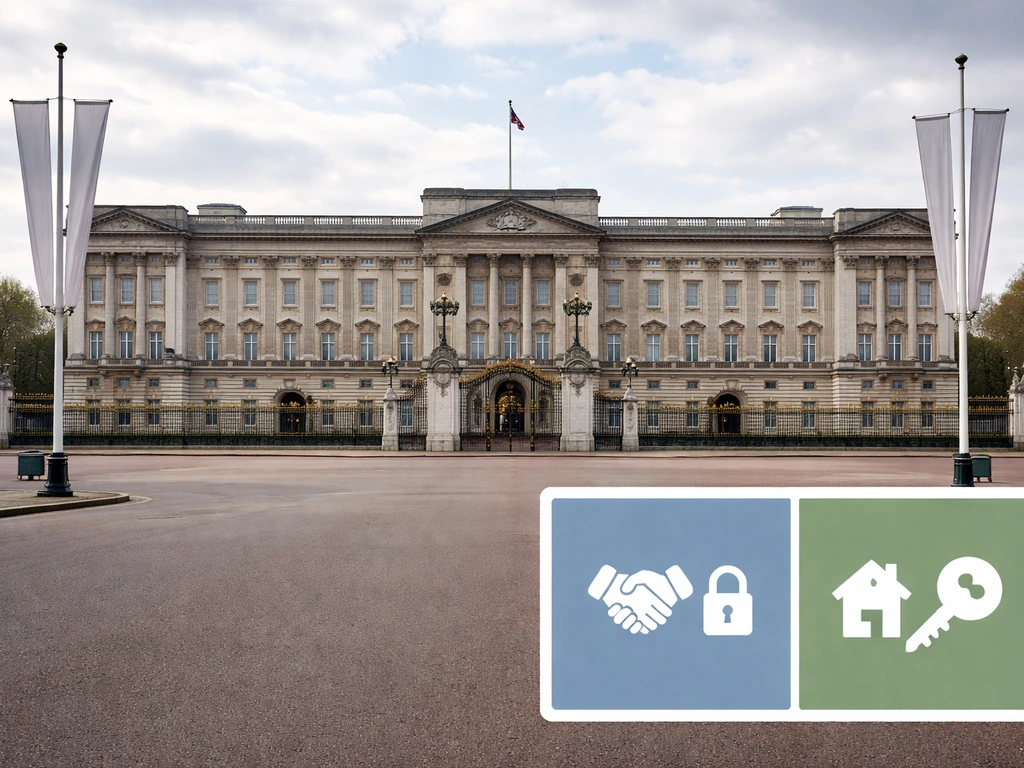
No. Buckingham Palace is held in trust for the nation. The monarch lives and works there in an official capacity, but it's not personal property and can't be sold or inherited privately. This is one of the most widespread misconceptions about royal wealth, and it's responsible for a lot of inflated net worth figures online.
Is the Sovereign Grant basically a salary?
No. The official government guidance is explicit on this: the Sovereign Grant does not provide personal income to any member of the royal family. It's a budget for running the institution: staff salaries, official travel, and building maintenance. Think of it like a company's operating budget rather than a personal paycheck.
Does the royal family own the Crown Estate?
Neither the royal family nor the UK government owns the Crown Estate. It's an independent commercial business whose profits go to HM Treasury. The connection to the monarchy is historical and constitutional, but it's not the same as personal ownership.
What about the Crown Jewels?
The Crown Jewels are state property, held in the Tower of London and used for ceremonial occasions. They're not part of the monarch's personal net worth. Elizabeth II's private jewelry collection is a separate thing entirely, and that does count as personal property, though no public appraisal exists.
How did inheritance work when Elizabeth II died?

Her personal estate, including Balmoral, Sandringham, her private investments, and her personal jewelry, passed to Charles III. There's a longstanding memorandum of understanding between the monarch and HMRC under which royal inheritances are not subject to the standard 40% inheritance tax when passing from sovereign to sovereign. The exact value of her estate was not publicly disclosed, which is itself a reminder of how limited public information on royal personal finances actually is. If you're also curious about Lady Henrietta Spencer-Churchill's net worth, it's a separate figure from Elizabeth II's, because it relates to her own personal assets rather than the Crown-linked estates discussed above lady henrietta spencer-churchill net worth.
So what's the bottom line?
If you want a single defensible number, the most credible estimate for Queen Elizabeth II's personal net worth is in the range of £370 to £500 million (approximately $450 to $600 million USD depending on exchange rates and timing). If you are specifically looking for the net worth queen of england figures, start with the range of about £370 to £500 million that applies to Elizabeth II’s personal assets.
That figure, used by the Sunday Times Rich List and broadly aligned with Forbes's analysis, covers her privately owned estates, personal investments, and private jewelry collection, while correctly excluding the Crown Estate, occupied royal palaces, and Duchy capital assets that she held in trust rather than personally. That said, when people ask about the queen of london net worth, they're usually mixing personal wealth with the value of state-held property.
It's a large fortune by any measure, built over seven decades of accumulated private property, careful stewardship of inherited assets, and the financial advantages that come with the sovereign role. But it's a fraction of the numbers you'll sometimes see quoted by sites that add in the value of Buckingham Palace or the Crown Estate. Those inclusions don't reflect wealth she could actually have accessed or passed on.
FAQ
Why do some websites claim the Queen’s net worth is in the billions?
Most of those figures add the value of state-held or role-linked assets, like Buckingham Palace or the Crown Estate, instead of limiting the calculation to what she personally owned and could theoretically sell or pass on. Your article explains that methodology differences are the main reason the numbers vary so widely.
What’s the practical difference between “personal wealth” and “assets held in trust,” like royal residences and the Duchies?
Personal wealth is what is held privately (for example, privately owned estates and investments). Assets held in trust are legally controlled in a way that prevents the monarch from treating them as a private portfolio, so they are generally excluded from personal net worth estimates.
Does the Crown Estate pay the Queen directly, as part of her net worth?
No. The Crown Estate is independent, and its profits go to HM Treasury. That means it can influence funding levels for royal operations indirectly, but it does not function like a personal income stream for the monarch.
How should I interpret estimates that include Buckingham Palace in the Queen’s net worth?
If Buckingham Palace is included as if it were privately owned, the estimate is measuring “overall role-linked property value,” not personal net worth. Even though she lived there, the property was held in trust for future monarchs and cannot be treated like a sellable personal asset.
Do art, jewelry, and collections count toward Elizabeth II’s personal net worth, even without public appraisals?
They typically do, but only as estimates. The value of private collections (including jewelry) is often inferred from partial information, and the lack of authoritative public appraisals can swing the final number by hundreds of millions.
What portion of the Sovereign Grant should be confused with the Queen’s salary?
None in the usual sense. The Sovereign Grant is an institutional operating budget for the Royal Household (staff, travel, and maintenance), not an allowance paid as personal income to the monarch.
If Charles III now holds the estate, does that change Elizabeth II’s personal net worth figure?
It can affect what people say about “current wealth,” but it does not retroactively change her personal net worth at the time of her death. After inheritance, the same underlying assets belong to the new monarch personally under the private-asset category, but the historical estimate for Elizabeth II depends on when and how the assets were valued.
Why do currency conversion and inflation change the reported net worth so much between USD and GBP?
Exchange-rate timing and inflation adjustments can shift the converted totals even if the underlying assets and the methodology are similar. This is one reason two credible sources can still report different figures in different currencies or in different years.
Could the Queen “liquidate” royal or state-linked assets to cash out a personal fortune?
Generally no for the state-linked categories described in the article, such as occupied palaces held in trust and Crown Estate interests. Personal net worth estimates aim to reflect assets she could access as private property, not assets she could realistically sell.
Is the inheritance tax exemption for sovereign-to-sovereign transfers included in net worth calculations?
Often it is not explicitly modeled. The article notes a memorandum of understanding with HMRC that royal inheritances between sovereigns are not subject to the standard 40% rate, which can preserve more wealth across successions, but most published “net worth” figures focus on asset value, not post-tax transfer effects.
If I want a defensible single number for “britain queen net worth,” what should I use?
Use a range and confirm it is based on personal assets only. Your article suggests the most defensible personal-wealth band for Elizabeth II is roughly £370 million to £500 million, because that approach excludes Crown Estate value, occupied palaces held in trust, and Duchy capital assets.
Next Article
Queen of London Net Worth: Identity, Sources, Estimate
Disambiguates Queen of London net worth, estimates wealth range, and breaks down likely income sources and assets behind