
The most credible estimate for Queen Elizabeth II's personal net worth at the time of her death in September 2022 sits in the range of £370 million to roughly US$530 million (approximately £420–430 million in 2022 terms), depending on which assets are counted and who is doing the counting. That range comes from a mix of the Sunday Times Rich List, Forbes, and Bloomberg, and it covers only her privately held wealth, not the palaces, art collections, and crown jewels that technically belong to the nation. The Wikipedia entry for the Sunday Times Rich List provides publication and edition context that helps frame “Rich List” estimates by year, even when the underlying paywalled table is not accessible blank" rel="noopener noreferrer">Sunday Times Rich List provides annual context for “Rich List” estimates. If you searched for "net worth queen of england" expecting a single clean number like you'd find for a pop star or a tech founder, the answer is genuinely more complicated, and understanding why will actually tell you more about how royal wealth works than any headline figure.
Net Worth Queen of England: Most Credible Estimate Today

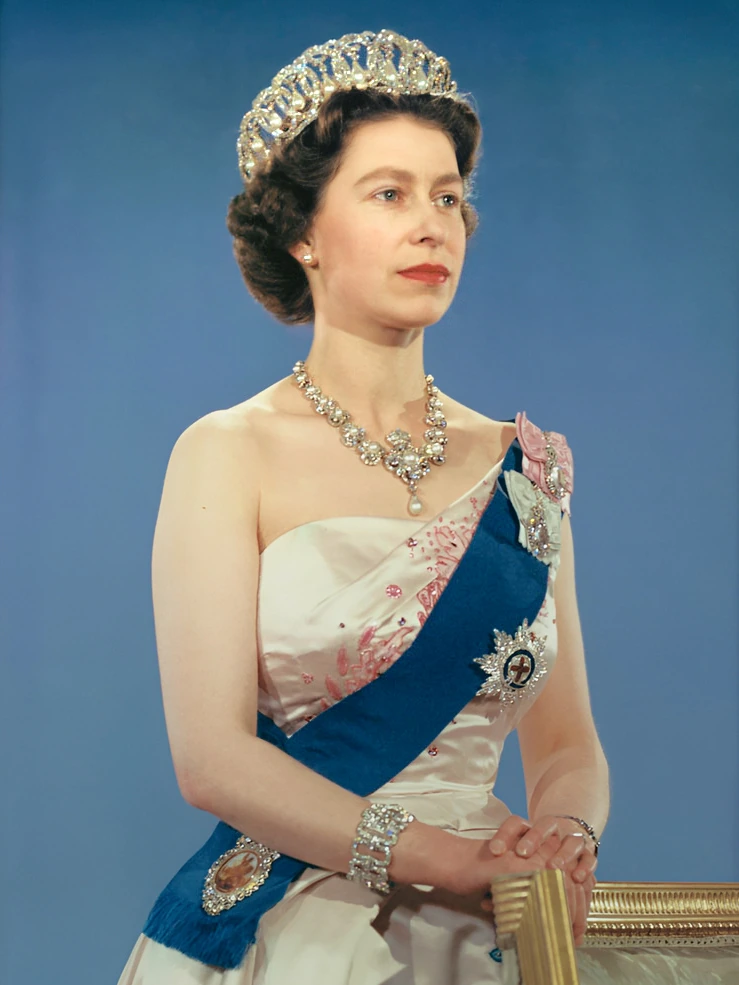
Which Queen of England are we actually talking about?
"Queen of England" is a phrase with a long history, and depending on what you're curious about, it could point to very different figures. Historically, England has had queens regnant going back centuries, and the title itself is technically outdated since it was replaced by "Queen of Great Britain" after the 1707 Acts of Union. In everyday search language, though, "queen of England" almost universally refers to Queen Elizabeth II, who reigned from 1952 until her death on September 8, 2022 at age 96. She is the figure most financial profiles and wealth databases are referencing when they publish estimates, so that's the focus here.
That said, if you're interested in wealth across royal and aristocratic women more broadly, there's a wider world worth exploring. For historical context on female rulers and their extraordinary personal fortunes, the profile on Cleopatra's net worth offers a fascinating comparison, illustrating just how differently wealth was held and measured across different eras of female power. For contemporary European royalty, Queen Beatrix's net worth is another useful reference point, since the Dutch royal family's finances are structured somewhat differently from the British model.
What the estimates actually say, and how they get there

Several credible outlets have published Elizabeth II net worth estimates over the years, and they cluster in a reasonably consistent range once you strip out the inflated figures that incorrectly include state-held assets. Here's a quick look at the major published estimates:
| Source | Year | Estimate | What's included |
|---|---|---|---|
| Sunday Times Rich List | 2015 | £340 million | Personal holdings, investments, private estates |
| Bloomberg Billionaires Index | 2015 | US$425 million (~£340M) | Personal fortune breakdown |
| Forbes | 2016 | US$530 million (~£420M) | Private wealth estimate at age 90 |
| Sunday Times Rich List | 2022 | £370 million | Personal wealth, linked to stock-market investments |
The methodology behind these figures involves piecing together what can be documented publicly: the value of Sandringham House and Balmoral Castle (both privately owned by the monarch, not the state), a personal stock portfolio, private art and jewellery collections, and the Duchy of Lancaster income that flows directly to her as personal income. Forbes's 2016 estimate of about US$530 million is one of the most-cited single figures, and it was produced around her 90th birthday when financial journalists took a closer look at her assets. The Sunday Times 2022 figure of £370 million, published just months before her death, is probably the most recent credible snapshot and accounts for movements in equity markets.
One important caveat: earlier Sunday Times Rich Lists, particularly the 1989 edition, published numbers as high as £5–7 billion. Those figures included the Crown Estate, Buckingham Palace, the Royal Collection, and the Crown Jewels, none of which she personally owned or could sell. That inflated number still circulates in corners of the internet, and it's worth treating any estimate above £1 billion with serious skepticism unless the source clearly explains why state assets are being counted as personal wealth.
Royal finances vs celebrity net worth: they're not the same thing
When you look up a musician or an entrepreneur's net worth, the concept is fairly straightforward: add up their assets, subtract their liabilities, and you have a number that broadly reflects what they could theoretically convert to cash. Royal finances don't work like that at all, and conflating the two is the single biggest source of confusion in any "net worth queen of england" search.
The British monarchy's funding comes from several distinct streams, and only one of them is actually personal income. The Sovereign Grant is the main mechanism by which the government funds the monarch's official duties, covering things like maintaining the occupied royal palaces, staffing the Royal Household, and supporting official travel. Under the Sovereign Grant Act 2011, this grant is calculated as a percentage of Crown Estate profits. The percentage was set at 25% for a period to fund palace renovations, then reduced to 12% for 2024–25 onwards as offshore wind profits caused Crown Estate revenues to surge. For 2022–23, the total Sovereign Grant came to £86.3 million. That money is public funding for public duties, not personal income.
Separately, the monarch receives income from the Duchy of Lancaster, a private estate that generates surplus income paid directly to the sovereign via the Privy Purse. This is genuine personal income, though the amounts are reported publicly. Then there are personal investments and privately owned properties like Sandringham and Balmoral, which are inherited private assets and form the core of what wealth analysts count when they produce a "net worth" figure. If you want to understand how the British queen's net worth is officially framed, the distinction between these funding streams is the most important thing to understand.
The Royal Collection (paintings, furniture, silverware worth billions), the Crown Jewels, Buckingham Palace, Windsor Castle, and the Crown Estate itself are held in trust for the nation or by the Crown as an institution. They are not sellable personal assets, and any estimate that counts them in Elizabeth II's net worth is not calculating personal wealth in any meaningful sense.
Where to find and verify today's numbers
If you want to verify or update the figures yourself, there's actually a solid set of primary sources available. The most reliable starting points are:
- The official Royal Household website (royal.uk) publishes the Sovereign Grant Annual Report each year, which shows exactly how the grant money was spent and what was held in reserve. This is the definitive source for the public funding side of royal finances.
- GOV.UK publishes the Royal Trustees' annual report on the Sovereign Grant, which explains how the grant amount is calculated and confirmed. These are primary documents, not secondhand summaries.
- The House of Commons Library produces a regularly updated briefing called 'Finances of the Monarchy' that consolidates the funding streams, including current Sovereign Grant amounts for 2024/25 and 2025/26 and Duchy of Lancaster surplus figures. This is one of the most useful single documents for getting a complete picture.
- The Sunday Times Rich List (published each spring) is the most consistently updated estimate of personal wealth and is worth checking annually.
- Forbes and Bloomberg have published detailed breakdowns in the past, though their royal coverage is less frequent than their corporate wealth reporting.
What you should treat cautiously: celebrity net worth aggregator sites that publish a single round number without explaining methodology. Many of these sites pull from outdated Forbes or Sunday Times figures without adjusting for inflation or asset changes, or they repeat the inflated numbers that include state assets. If a site says Elizabeth II was worth £5 billion or more, that's the 1989 Sunday Times error being recycled. The range of £370–530 million in today's context is far more defensible. For a perspective on what the queen's net worth actually represents in practical terms, it helps to compare it against the broader context of what is and isn't counted.
Also worth noting: now that Charles III is the reigning monarch, the question has shifted. Some of Elizabeth II's personal assets passed to him privately, while the sovereign's role in the Sovereign Grant and Duchy of Lancaster income transferred automatically. Searches framed around the queen of London's net worth in a current context may now be pointing to different figures entirely as Charles III's personal wealth profile is documented separately.
The real wealth drivers: where the money actually came from
For Elizabeth II specifically, the documented income and asset streams that drove her personal wealth can be broken into a few clear categories.
Duchy of Lancaster income

The Duchy of Lancaster is a private estate covering about 18,000 acres of land in Lancashire, Cheshire, and other counties, along with urban commercial properties. The surplus income from this duchy flows directly to the sovereign as the Privy Purse and is taxable as personal income. The Duchy’s net revenue is paid to the Keeper of the Privy Purse for the monarch as Duke of Lancaster. For Elizabeth II, this was a consistent annual income stream of several million pounds per year, and it represents the clearest analogue to what most people would call personal earnings.
Private estates: Sandringham and Balmoral
Unlike Buckingham Palace and Windsor Castle, which are owned by the Crown, Sandringham in Norfolk and Balmoral in Scotland are privately owned royal properties inherited through the family. They have substantial land holdings and generate some commercial income. Their market value represents a significant chunk of the personal asset base that analysts use when constructing net worth estimates. Combined, these estates account for hundreds of millions in property value alone.
Personal investments and the stock portfolio
Elizabeth II held a personal investment portfolio, though the exact holdings were never made fully public. The Sunday Times's 2022 estimate of £370 million explicitly linked changes in her wealth to stock-market performance, suggesting a meaningful equity allocation. Bloomberg's 2015 analysis broke down her fortune in similar terms. These aren't disclosed in the same way a listed company's holdings would be, so analysts make informed estimates based on known income levels, inheritance patterns, and general investment benchmarks.
Jewellery, art, and collectibles
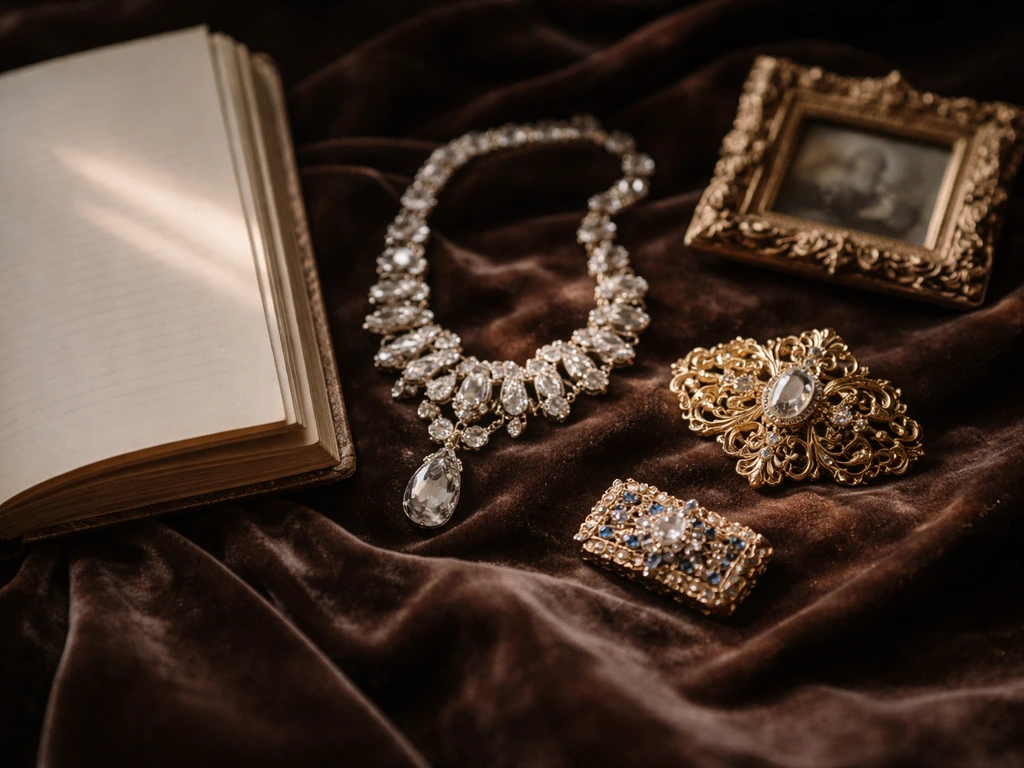
Her Majesty's personal jewellery collection (distinct from the Crown Jewels held by the state) was widely reported to be one of the most valuable private jewellery collections in the world. Personal artworks and gifts accumulated over a 70-year reign also add to the asset picture, though valuing them is inherently imprecise. These items sit in the personal estate and were subject to private inheritance after her death.
Why the numbers change, and what you can actually know
Net worth estimates for the Queen shifted over the decades for several reasons that are worth understanding if you're trying to track or interpret them. First, equity market movements affect the investment portfolio directly, which is why the 2022 Sunday Times figure was lower in real terms than some earlier estimates despite decades of additional income. Second, methodological choices matter enormously: including or excluding Sandringham and Balmoral can move the number by £100–200 million on their own. Third, currency fluctuations mean that US dollar figures from Forbes or Bloomberg convert differently at different times, making direct historical comparisons tricky.
What is genuinely publicly knowable is actually quite substantial. The Sovereign Grant amounts are published annually and audited. The Duchy of Lancaster surplus (Privy Purse) is reported each year. The structure of royal funding is laid out clearly in official documents from GOV.UK and the House of Commons Library. What remains private is the specific investment holdings, the contents and valuation of the personal jewellery collection, and any private trusts or arrangements made for succession. That's a significant information gap, which is why credible analysts consistently present a range rather than a precise figure.
For comparison within the world of wealthy women connected to British society, it's instructive to look at figures like Slavica Ecclestone's net worth, whose wealth was built through a very different route (divorce settlement from Bernie Ecclestone), or Lady Henrietta Spencer-Churchill's net worth, another aristocratic figure whose wealth profile illustrates how British upper-class assets are often tied up in property, art, and inherited estates rather than liquid investments. These comparisons help calibrate what £370–530 million in personal royal wealth actually looks like relative to other high-profile British women.
The practical bottom line: if someone asks you what the Queen of England was worth, £370–530 million in personal wealth is the most defensible answer based on the best available reporting. The Sovereign Grant, the Crown Estate, and the Royal Collection are real and enormous in value, but they're not hers to spend or pass on in the way personal assets are. Understanding that distinction is what separates a well-researched answer from a misleading one. For the most current and detailed breakdown, the Sovereign Grant Annual Report and the House of Commons Library's Finances of the Monarchy briefing are the two sources worth bookmarking.
FAQ
Does “net worth queen of england” include the Crown Jewels, Royal Collection, and Buckingham Palace?
A credible personal net worth estimate for Elizabeth II should not include assets held in trust for the nation, like the Royal Collection and Crown Jewels, or properties owned by the Crown such as Buckingham Palace and Windsor Castle. Those are often mentioned in inflated totals, which is why estimates above £1 billion are usually a red flag unless the methodology clearly distinguishes personal versus state-held assets.
Why do some websites claim a much higher net worth for the Queen, like £5 billion or more?
Most of the jump comes from mixing categories that are legally and practically separate. They may count Crown Estate assets, palaces, or the Royal Collection as if she could sell them or bequeath them like private property. Another common issue is repeating an old Rich List figure without updating for whether later reporting still uses the same, incorrect “personal wealth” definition.
If the Sovereign Grant is publicly funded, can it be converted into “personal wealth” in a net worth calculation?
No. The Sovereign Grant pays for official duties, staffing, and upkeep, and it is funded through Crown Estate profits under a statutory formula. It is not treated as personal assets because it is spending on state functions, even though it may indirectly support the monarch’s official life and property maintenance.
What part of royal income is closest to what most people mean by “earnings”?
The Duchy of Lancaster surplus that reaches the sovereign through the Privy Purse is the closest analogue to personal income, since it is paid to the monarch as an individual and is reported as personal income. By contrast, the Sovereign Grant is for public duties and does not increase personal assets in the same way.
Do Sandringham and Balmoral count in Elizabeth II’s personal net worth?
Yes, they generally do, because they are privately owned royal estates inherited within the family rather than Crown-held property held in trust for the nation. Including or excluding them can shift an estimate by tens to hundreds of millions, which is one reason credible sources prefer a range instead of a single number.
Are the jewellery and private art collections included, and why are they hard to value?
They can be included in “personal wealth” calculations, but valuation is inherently uncertain. Unlike publicly traded holdings, the exact inventory and appraisal basis of personal jewellery and private artworks are not fully disclosed, so analysts typically use reported sale benchmarks, insurance-style valuations, or conservative estimates rather than precise prices.
Can we track changes in net worth year to year for the Queen like you would for a company’s stock price?
Not accurately. While equity market moves can affect the personal investment portfolio, the holdings are not fully public, so you cannot compute precise yearly changes. That is why most credible work updates the estimate periodically and presents a range based on documented income and known asset categories.
How should I compare Forbes, Bloomberg, and Sunday Times estimates without getting misled by currency and timing?
Compare them as “snapshots” tied to a specific valuation date, then adjust for currency conversion and inflation. A USD figure from one year cannot be treated as directly equivalent to a GBP figure from another year, especially when markets and exchange rates moved materially.
Is there a simple “do it yourself” method to compute net worth for the Queen?
You can do a partial reconstruction, but you still need assumptions. Start with only personal assets that are reasonably documented (for example, privately owned estates and the best-estimate value of personal investments), and do not add state-held items. The biggest uncertainty remains the value of private investment holdings and personal jewellery, so your result will be an estimate rather than an auditable number.
Now that Charles III is reigning, does “net worth queen of england” still refer to Elizabeth II’s figure?
Search intent often changes. After Elizabeth II’s death, the question may refer to Charles III’s personal wealth in coverage focused on the current monarch, and the way income streams are described can shift with succession and updated reporting. If you care about the current monarch, confirm the estimate explicitly matches Charles III rather than Elizabeth II.
What should I treat as unreliable when I see a “net worth queen of england” headline number?
Be cautious if the source does not explain methodology, if it claims a single precise figure without a date, or if it reports totals that exceed what could be supported by privately held assets alone. Another tell is when the article does not distinguish personal assets from Crown or state-held assets, even if it lists famous palaces and collections.
If the question is “what was she worth,” why do credible answers still give a range instead of one number?
Because some inputs are not fully disclosed, particularly the exact structure and value of personal investments and parts of the jewellery and art holdings. A range reflects the plausible valuation band given public documentation gaps, and it also accounts for whether analysts treat borderline items consistently across time.
QVC Queen Net Worth: Best Estimate and How It’s Calculated
Estimate QVC Queen net worth with methods, sources, income streams, and steps to verify the right profile fast.